
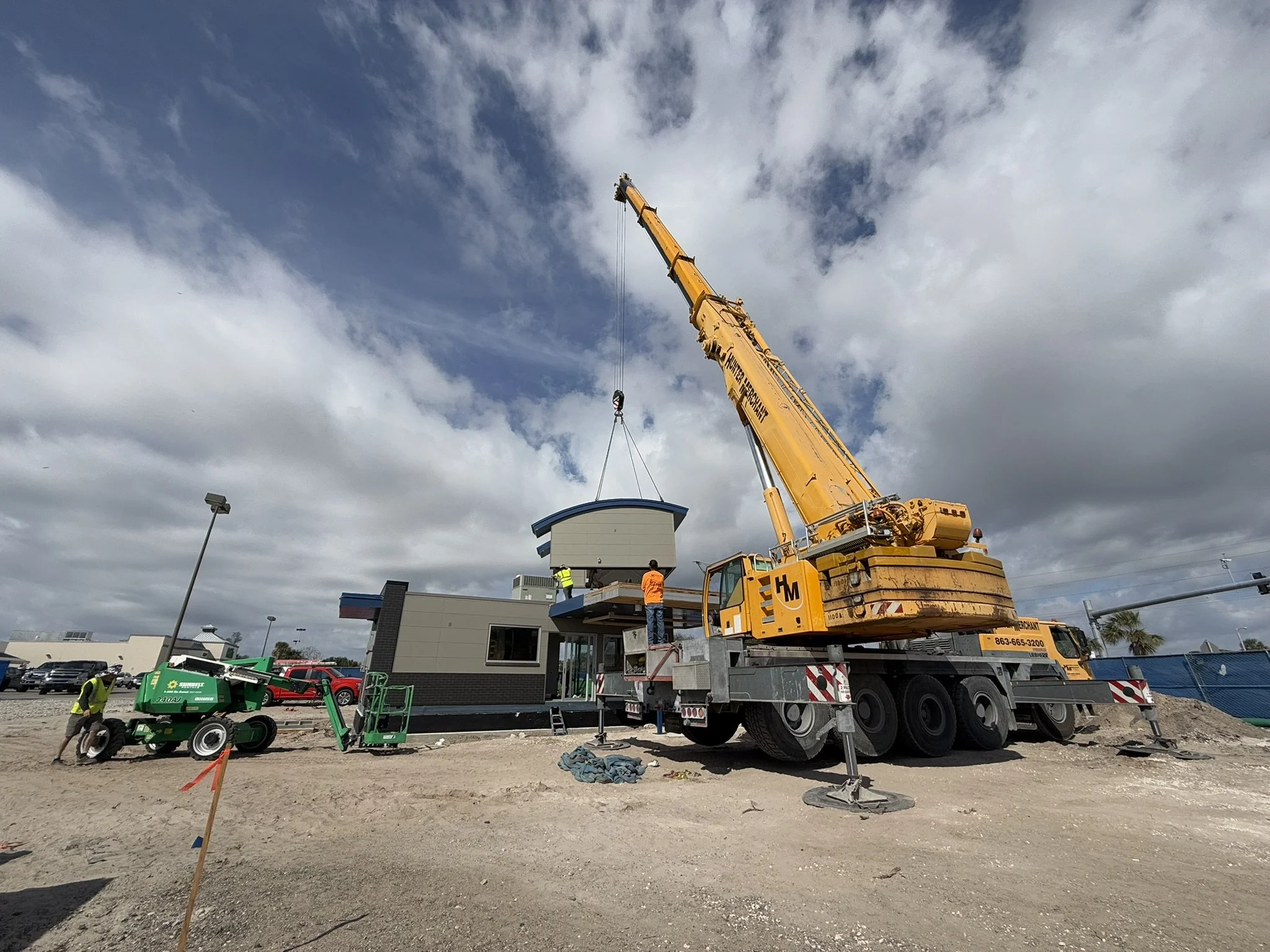
New Construction
Starts from Scratch: Begins with raw land or an empty plot, not an existing structure.
Full Customization: Allows for complete control over design, materials, layout, and features to meet specific operational needs.
Blank Canvas: No limitations from pre-existing layouts, walls, or older systems, enabling modern, efficient designs.
Comprehensive Process: Involves site selection, design, permitting, site prep, infrastructure (utilities, foundation), and construction.
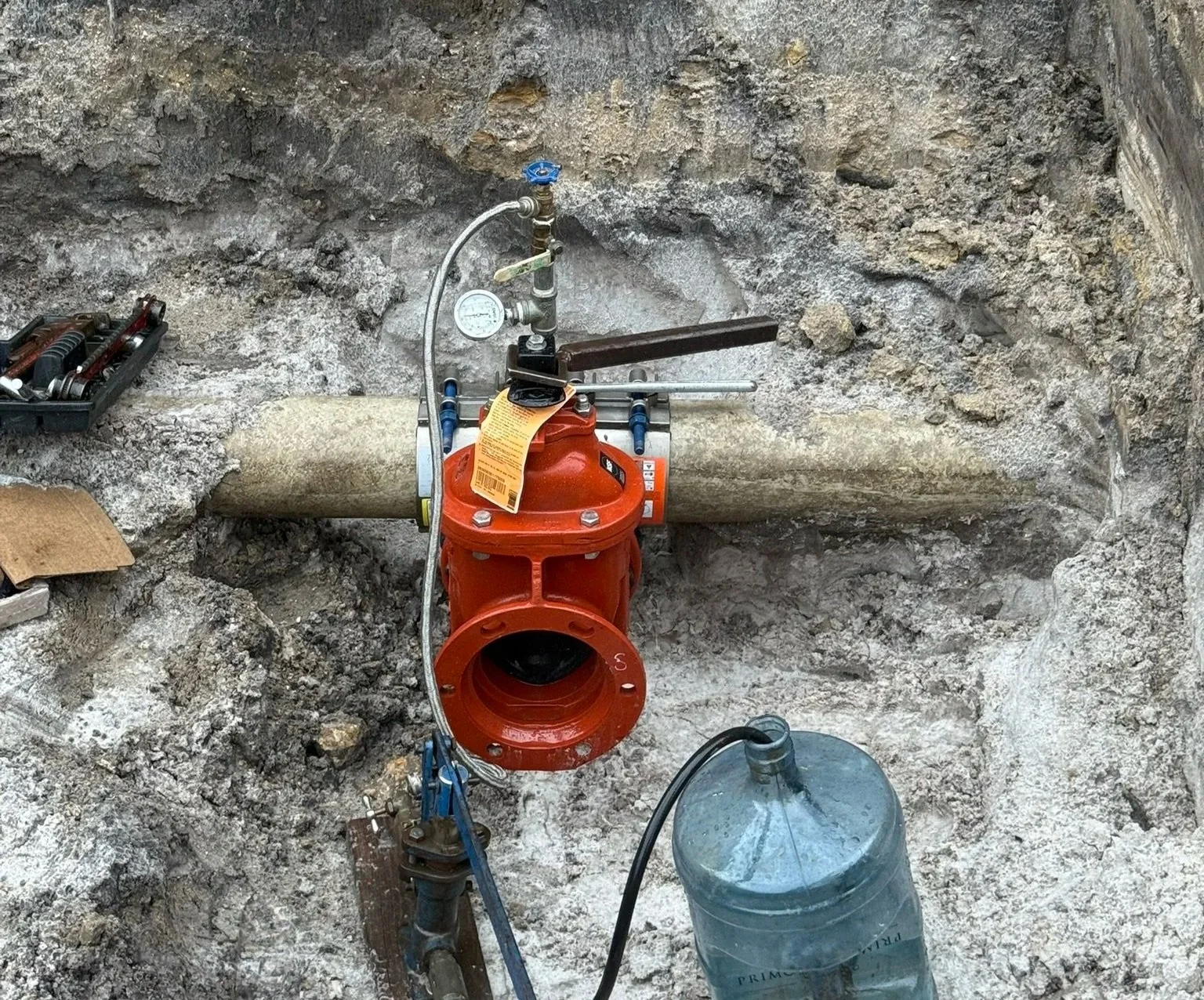
Underground Utilities
Water & Sewer: Water mains, private water lines, sewer pipes, and stormwater drains.
Energy: Natural gas lines and electrical cables.
Communications: Telephone lines, fiber optic cables, and cable TV lines.
Other: Landscape irrigation systems, geothermal lines, and private utility lines for specific buildings or features
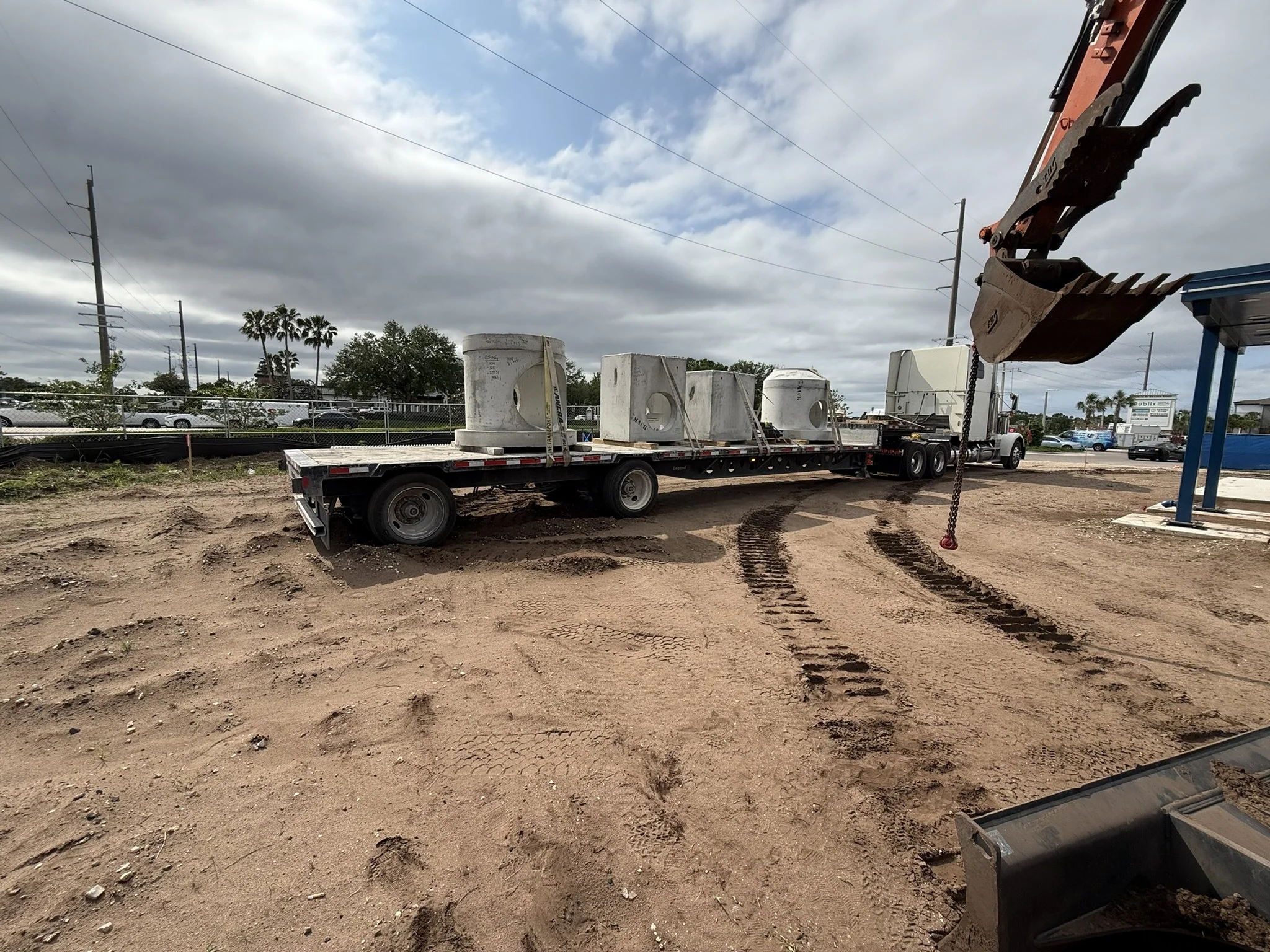
Storm Structures
Catch Basins/Drain Inlets: Openings (often grated) where water enters the underground pipe system from streets and parking lots.
Pipes and Conduits: Underground networks (made of concrete, metal, or plastic) that convey collected water.
Manholes: Access points along pipes for maintenance, cleaning, and monitoring.
Detention and Retention Basins: Depressed areas (ponds) that temporarily store stormwater and release it at a controlled rate or allow it to seep into the ground, which helps reduce peak flows downstream.
Channels and Ditches: Open, often vegetated, areas or constructed channels that direct water flow.
Green Infrastructure: Eco-friendly designs like rain gardens, bioswales (vegetated swales), and permeable pavements that use soil and plants to filter and absorb water naturally.
Outfalls: The termination points where the system discharges water into a larger body of water like a river, lake, or ocean
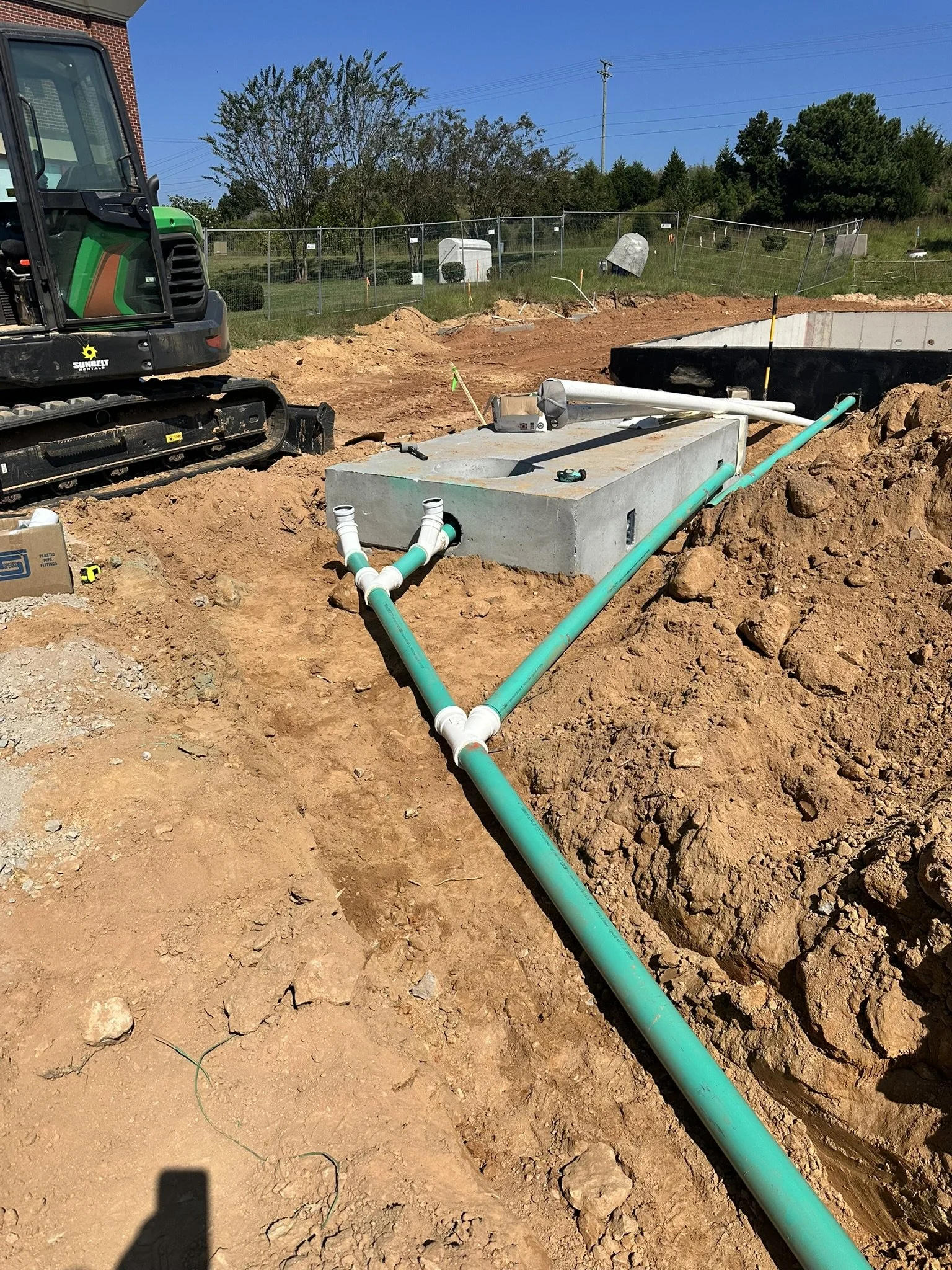
Grease Traps / Septic Tanks
Grease Traps (Interceptors)
Purpose: To trap FOG (fats, oils, grease) and food solids from kitchen sinks, dishwashers, etc., to stop them from clogging pipes and overwhelming the main sewer or septic system.
How they work: Slows wastewater flow, allows grease to cool, rise to the top, and get trapped by baffles, while solids settle.
Location: Can be indoors (under sinks) or outdoors (underground).
Users: Restaurants, schools, hospitals, bakeries, hotels, etc..
Maintenance: Must be manually pumped out regularly
Septic Tanks
Purpose: A primary treatment system for all household or building wastewater (sewage, greywater, etc.).
How they work: Wastewater enters; solids settle as sludge at the bottom, FOG floats to form scum on top, and liquid effluent flows out to a drain field.
Location: Underground, serving individual properties.
Users: Homes and buildings not connected to municipal sewers.
Maintenance: Needs periodic pumping (every few years)
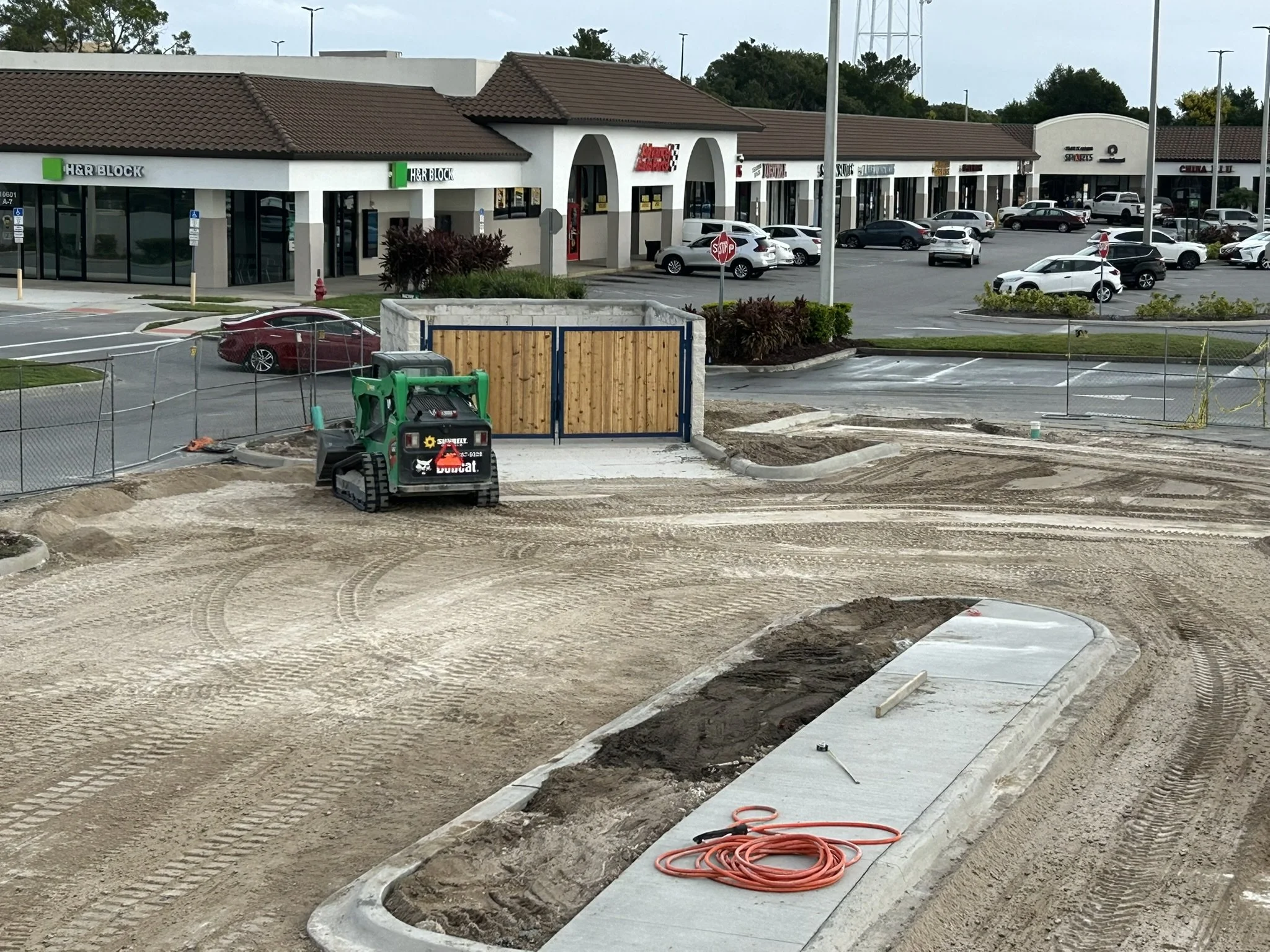
Site Work
Clearing & Grubbing: Removing vegetation, rocks, and debris.
Excavation & Grading: Digging to shape the land, create level surfaces, basements, or trenches, and compacting soil for stability.
Earthwork: Moving and shaping soil, creating berms.
Utility Installation: Putting in underground pipes and conduits for water, sewer, gas, and electricity.
Drainage & Erosion Control: Building systems to manage stormwater and prevent soil runoff.
Paving & Concrete: Creating driveways, parking lots, curbs, and gutters.
Site Preparation: Demolition (if needed), subgrade stabilization, and preparing the foundation area.
Landscaping: Initial installation of lawns, shrubs, and other features
